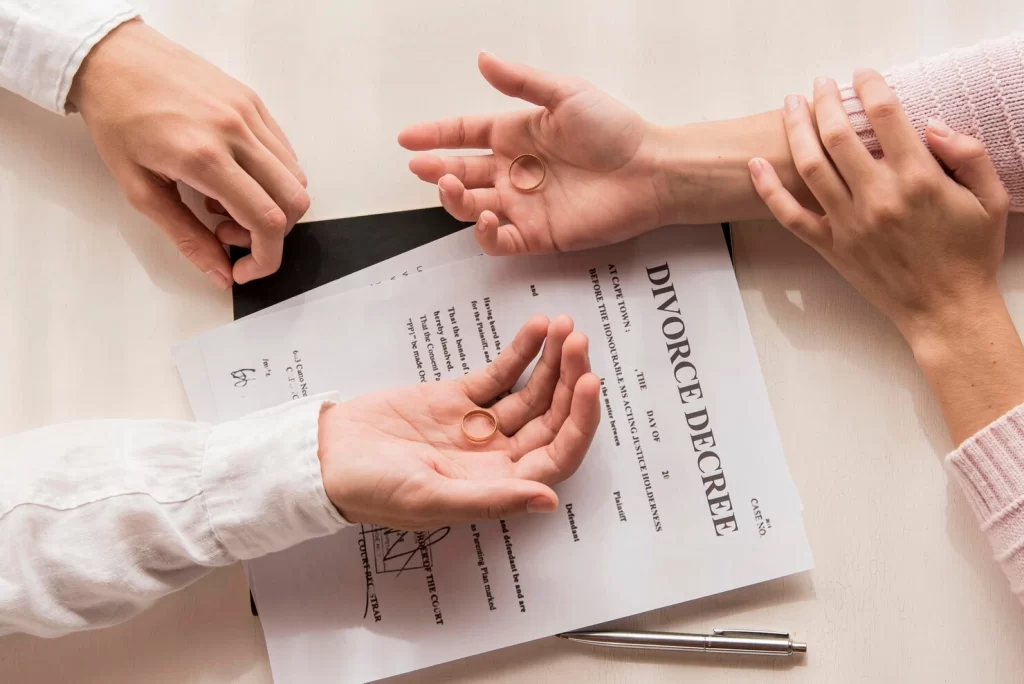

“We agree on everything, so this should be quick, and we won’t even need a lawyer.” It is one of the most common things couples say when they first start thinking about filing for an uncontested divorce in Texas, and it is only partly true.
At Daniel Ogbeide Law, we talk with couples every month who come in with a general idea of how the process works, and a few assumptions that do not quite match reality. Filing for an uncontested divorce is often simpler than a contested case, but “simpler” does not mean “no rules apply,” and the gap between those two ideas is exactly where most confusion starts.
This guide clears up some of the most common misunderstandings couples run into before and during the process.
Misconception: You Do Not Need a Lawyer if You Agree
Agreement between spouses is genuinely valuable, but it does not eliminate the need for accurate, legally sound paperwork. Texas courts still require specific language, proper forms, and a decree that reflects exactly what the law allows.
A family law attorney in Houston can review an agreement before it is filed, catching gaps or ambiguous terms that could cause problems later. Filing for an uncontested divorce without any legal review is possible in very simple cases, but it becomes riskier as soon as real property, retirement accounts, or children are involved, since those are exactly the areas where vague language tends to cause the most trouble.
Misconception: Filing Means the Divorce Is Immediately Final
Many couples assume that once both spouses sign an agreement, the divorce is essentially done. In Texas, that is not how the timeline works, and the confusion is understandable given how quickly the agreement itself can happen.
Under Texas Family Code Section 6.702, a court cannot finalize most divorces until at least 60 days after the case is filed, regardless of how quickly spouses reach an agreement. Filing for an uncontested divorce starts the clock, but it does not shortcut the mandatory waiting period.
Misconception: Uncontested Means No Court Appearance at All
This is one of the most persistent misunderstandings, and it catches even well-prepared couples off guard. Even in a fully agreed case, Texas law generally requires a short hearing before the divorce becomes official.

According to the Texas State Law Library, this hearing is often called a “prove-up,” where a spouse appears before the judge and provides brief testimony confirming the terms of the divorce. It is typically short and straightforward, often lasting only a few minutes, but it is not optional simply because both spouses agree on everything.
Misconception: Vague Agreements Are Fine Since Both Spouses Understand Them
Couples sometimes assume that if they both know what they meant, the written terms do not need to be especially precise. This assumption tends to cause problems months or years down the road, when memories of the original understanding start to differ, or when circumstances change in ways the original agreement never anticipated.

Terms worth writing with real specificity include:
- Exactly which spouse keeps which property
- How and when any shared debts will be paid
- Whether spousal support applies, and under what terms
- Parenting arrangements, if children are involved
- How future disagreements about the agreement itself will be handled
According to TexasLawHelp.org, even simple, agreed divorces still require accurate paperwork and clearly stated terms to move through the court efficiently. Vague language does not disappear once the decree is signed. It just resurfaces later as a disagreement.
What Couples Should Actually Expect
Understanding the real process, rather than the assumed one, tends to make filing for an uncontested divorce far less stressful, since there are fewer surprises along the way. In general, couples can expect:
- A required filing with the appropriate Texas court
- A mandatory waiting period of at least 60 days before finalization
- A short prove-up hearing, even when both spouses fully agree
- A final decree that must reflect complete, specific, and legally appropriate terms
Want More Guidance Before Filing?
If you are still working through the early stages of this process, we also recommend reading our blog, “Uncontested Divorce in Texas: What Couples Should Know Before Filing.” It offers a broader look at what to expect from start to finish.
Getting Accurate Expectations From the Start
Filing for an uncontested divorce is genuinely more straightforward than a contested case, but it still involves real legal requirements that deserve accurate information. A family law mediation attorney in Houston can also help couples work through any lingering disagreements before filing, keeping the case on the uncontested track rather than letting a small dispute turn into something more complicated, which can happen faster than most couples expect once disagreement enters the picture.

Get Clarity Before You File
Understanding what filing for an uncontested divorce actually involves helps set realistic expectations from day one. Our team at Daniel Ogbeide Law includes an experienced family law attorney and an uncontested divorce attorney in Houston, Texas, ready to walk you through exactly what to expect.
Reach out to our team to make sure your agreement, your paperwork, and your expectations are all aligned before you file.