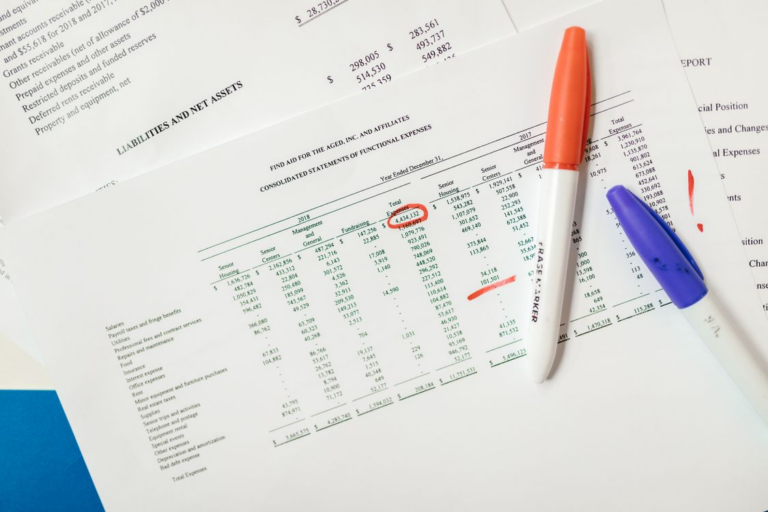




The house. The retirement account. The car that somehow only ended up in one name. Separating shared assets during a Texas divorce is rarely as simple as splitting everything down the middle, no matter how straightforward the marriage may have felt.
Under founder Daniel Ogbeide, Esq.’s guidance, our team at Daniel Ogbeide Law has helped Houston-area couples work through property division cases ranging from straightforward to genuinely complicated. Understanding how Texas law approaches separating shared assets can make the process feel far less overwhelming.
Community Property vs. Separate Property in Texas
Texas is a community property state, which means the law presumes that property either spouse holds at the time of divorce belongs to both of them. This includes wages earned during the marriage, real estate purchased together, and most retirement contributions made while married, regardless of whose name appears on the account or title.
Separate property works differently. Assets owned before the marriage, along with gifts and inheritances received individually during the marriage, generally remain separate, provided they were kept distinct rather than mixed into shared accounts.
The line between the two categories is not always obvious, which is often where separating shared assets gets complicated, especially after years of finances being managed jointly.
Common Types of Assets That Get Complicated
Some assets divide cleanly. Others raise questions that take real work to sort through, particularly when years of shared finances have blurred the lines between what belongs to whom. Common examples include:
- Retirement accounts and pensions built up over years of contributions
- Real estate purchased during the marriage, even if only one spouse is on the deed
- A business started or grown during the marriage
- Vehicles or property acquired with a mix of separate and community funds
- Inherited funds that were deposited into a joint account

Retirement accounts deserve particular attention. Dividing an employer-sponsored plan typically requires a Qualified Domestic Relations Order, and according to the U.S. Department of Labor, gathering information about the retirement plan early in the divorce process helps avoid costly mistakes that can be difficult to correct once the divorce is finalized. Waiting until the final stages of a case to address retirement accounts is one of the more common, and avoidable, missteps in separating shared assets.
How Courts Approach Separating Shared Assets
Texas courts do not automatically split community property fifty-fifty. Under Texas Family Code Section 7.001, the court must divide the marital estate in a manner it considers just and right, taking into account the rights of each spouse.
This standard gives judges real discretion. Factors that can influence the division include each spouse’s earning capacity, health, and contributions to the marriage, as well as which spouse will have primary custody of any children. A close-to-equal split is common but not guaranteed, and separating shared assets often looks different from one case to the next, depending on the circumstances, even between marriages that appear similar on paper.

Steps to Take Before Separating Shared Assets
Preparation tends to make property division cases move more smoothly, and most of the work happens well before anyone sets foot in a courtroom. Before finalizing a property settlement, it generally helps to:
- Gather documentation for every significant asset and account
- Get professional appraisals for real estate, businesses, or other high-value property
- Avoid transferring, hiding, or spending down shared assets during the process
- Identify which accounts may include separate property that needs to be traced
- Consult a professional before agreeing to any asset division
These steps matter regardless of how amicable a divorce feels early on, since financial details that seem clear at the outset can become disputed later if they were not properly documented. Even couples on good terms can find themselves disagreeing once real numbers are on the table.
Why Experienced Guidance Matters for High-Asset Cases
More complex estates raise the stakes considerably. A high-asset divorce lawyer in Houston can help identify assets that might otherwise be overlooked, such as stock options, business interests, or retirement benefits that require specialized handling to divide correctly. Overlooking even one of these can mean walking away with far less than a fair share of the marital estate.

Working with a property division lawyer in Houston also means having someone who understands how Houston-area courts typically approach these cases. Many of the families we have worked with share their experience on our client testimonials page, which reflects the kind of guidance we aim to provide throughout even the most complicated separating shared assets situations.
We also encourage prospective clients to review our attorney endorsements for a sense of the reputation our team has built across the Houston legal community.
Let’s Sort Out Your Property Division
Property division deserves careful attention, not guesswork. Our team at Daniel Ogbeide Law is ready to help you understand what is actually at stake and how Texas property division attorneys can help protect your interests.
Reach out to our team to talk through your situation and get a clearer picture of what separating shared assets might look like in your case.