
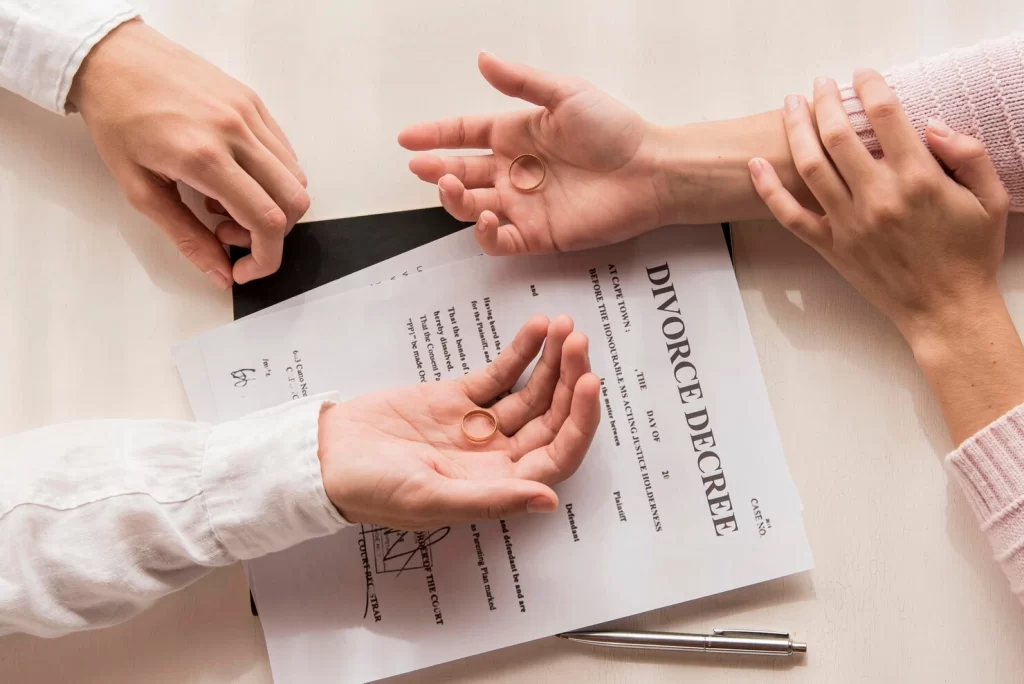



Have you and your spouse already agreed on how to end your marriage, yet feel overwhelmed by the legal process ahead?
Divorce is often associated with conflict, stress, and lengthy court battles. When both parties are willing to cooperate, there is a more efficient path forward: the uncontested divorce.
At Daniel Ogbeide Law, we work with individuals seeking a more straightforward and respectful way to separate. As a divorce law firm in Houston, we help clients move through the process with clarity, ensuring their agreements are properly structured and legally sound.
In this article, we explain how uncontested divorces work, when they make sense, and what to expect at each stage.
What Is an Uncontested Divorce?
An uncontested divorce occurs when both spouses agree on all major issues related to ending their marriage. This includes:
- Division of property and debts
- Child custody and visitation schedules
- Child support arrangements
- Spousal support, if applicable
Because there are no disputes requiring court intervention, the process tends to be more streamlined.
Key Characteristics
- Mutual agreement on all terms
- Minimal court involvement
- Faster resolution compared to contested cases
- Less adversarial process
This option works best when both parties are willing to communicate and cooperate.
How the Process Typically Works
While the exact steps can vary, most uncontested divorce cases follow a similar structure.
1. Filing the Petition
One spouse, known as the petitioner, files a divorce petition with the court. This document outlines the intent to dissolve the marriage.
2. Agreement on Terms
Both parties must finalize agreements on all relevant issues. This is often documented in a marital settlement agreement.
3. Submission of Paperwork
The agreed terms are submitted to the court along with other required forms. Accuracy here is important to avoid delays.
4. Waiting Period
In many jurisdictions, there is a mandatory waiting period before a divorce can be finalized. This allows time for reflection and ensures compliance with legal requirements.
5. Final Decree
Once the court reviews and approves the agreement, a judge signs the final divorce decree, officially ending the marriage.
When Is an Uncontested Divorce the Right Choice?

Not every situation is suitable for this approach. However, it can be the right option under the following conditions:
You and Your Spouse Communicate Effectively
Open communication is essential. Both parties must be willing to discuss and resolve issues without escalation.
There Is Agreement on Key Issues
An uncontested divorce requires full agreement. Even one unresolved issue can shift the case into a contested matter.
The Financial Situation Is Straightforward
While individuals with significant assets may still reach agreements, more complex financial situations may require additional review. In such cases, guidance from a high asset divorce lawyer can help ensure that all interests are protected.
There Are No Safety Concerns
If there is a history of domestic conflict or imbalance in decision-making, this process may not be appropriate.
Benefits of Choosing an Uncontested Divorce
When it is a viable option, an uncontested divorce offers several advantages.
1. Reduced Stress
Without prolonged disputes, both parties can avoid much of the emotional strain associated with litigation.
2. Faster Resolution
Since there are no contested hearings, the process typically moves more quickly.
3. Greater Control
Couples retain control over decisions instead of leaving them to a judge.
4. Privacy
Fewer court proceedings mean less public exposure of personal matters.
Potential Challenges to Consider
Even in cooperative situations, certain challenges can arise.
Incomplete Agreements
If agreements are not thorough, issues may surface later, leading to complications.
Legal Oversight Is Still Important
While the process is simpler, it still involves legal documentation that must meet court standards.
Risk of Imbalance
If one spouse has significantly more knowledge or influence, the agreement may not reflect a fair outcome.
Working with an uncontested divorce lawyer can help ensure that all aspects are properly addressed and that the final agreement is enforceable.
How Legal Guidance Helps in Uncontested Cases
Some individuals assume that uncontested divorces do not require legal assistance. While it is possible to proceed without representation, doing so can lead to costly mistakes.
A Lawyer Can Help With:
- Drafting accurate and complete agreements
- Ensuring compliance with state laws
- Identifying potential issues before they arise
- Filing documents correctly and on time
In situations involving informal marriages, guidance from a common law divorce lawyer may also be necessary to establish and address legal recognition of the relationship.
Even when both parties agree, having one of the best divorce attorneys review the case can provide added confidence that everything is handled correctly.

Uncontested vs. Contested Divorce: A Quick Comparison
Feature | Uncontested Divorce | Contested Divorce |
| Agreement on Issues | Yes | No |
| Court Involvement | Minimal | Extensive |
| Time to Resolve | Shorter | Longer |
| Emotional Impact | Lower | Higher |
| Decision-Making | Parties involved | Judge decides |
This comparison highlights why many couples consider an uncontested divorce when circumstances allow.

A Smoother Ending Starts With the Right Approach
Could a respectful agreement today prevent unnecessary conflict tomorrow?
An uncontested divorce offers couples a way to part ways with dignity and efficiency. However, the simplicity of the process does not eliminate the need for careful planning and legal accuracy. Every agreement must reflect both parties’ rights and responsibilities clearly to avoid future complications.
At Daniel Ogbeide Law, we support individuals seeking a practical resolution to their divorce. As a divorce lawyer in Houston, TX, our firm provides clear guidance through each step, ensuring that agreements are properly structured and filed. Whether you need assistance finalizing terms or reviewing documents, we are here to help you move forward with confidence.
If you are considering an uncontested divorce or want to understand whether it is the right option for your situation, contact our team today. Working with an uncontested divorce lawyer in Houston can help ensure that your case is handled efficiently and with the attention it deserves.
FAQs
- How long does an uncontested divorce take?
The timeline varies depending on legal requirements and court schedules. In many cases, it can be finalized within a few months, especially if all documents are completed correctly.
- Can we still have an uncontested divorce if we have children?
Yes, as long as both parties agree on custody, visitation, and support arrangements, an uncontested divorce is still possible.
- What happens if we disagree on one issue?
If even one issue remains unresolved, the case may become contested. In such situations, negotiation or mediation may help bring both parties back to agreement.