
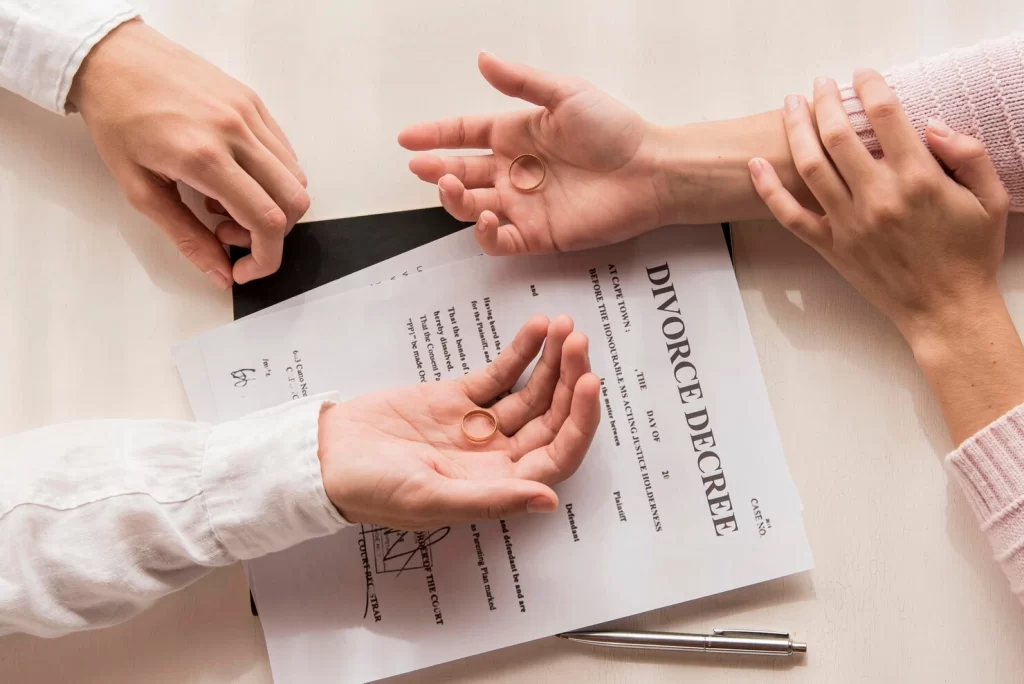



What happens when life changes after a divorce—when one person’s income drops suddenly, or the other starts earning far more than before? These shifts can have a significant impact on spousal support obligations.
In many cases, an outdated spousal support order can create unfair financial pressure. Maybe one spouse loses a job, or the receiving spouse remarries. Sometimes, years after the divorce, the original terms no longer reflect anyone’s current reality. Understanding when and how to request a review is essential to maintaining fairness on both sides.
At Daniel Ogbeide Law, we assist clients through every stage of family law matters in Houston, including modifications to spousal support orders. Our firm understands how Texas courts assess requests for modification and what evidence they require to approve changes. In this blog, we’ll explain when spousal support orders may be reviewed, what factors courts consider, and how an experienced spousal support attorney in Houston can help ensure your case is handled correctly.
Understanding Spousal Support Orders
Spousal support—sometimes referred to as alimony or maintenance—is a court-ordered payment made from one spouse to another following a divorce. The intent is to provide financial stability for the spouse who may have relied on the other during the marriage.
However, these orders are not set in stone. Texas law allows for modifications under specific conditions, especially when there’s a material and substantial change in circumstances.
Common reasons for establishing a spousal support order include:
- One spouse earning significantly less income
- Long-term marriages where one spouse supported the household
- Health issues limiting one spouse’s ability to work
- Educational or career sacrifices made during the marriage
But what was fair at the time of divorce may not remain fair years later. That’s why courts permit reviews and adjustments to existing orders.
When a Review of Spousal Support Orders May Be Necessary
Changes in life circumstances can make an old order unsustainable or unfair. Below are the most common scenarios where courts consider reviewing or modifying spousal support arrangements.
1. Significant Change in Income
Perhaps the most common reason for modification is a substantial change in income.
If the paying spouse loses a job, takes a pay cut, or faces reduced work hours, maintaining the same payment level can become difficult.
Conversely, if the paying spouse’s income significantly increases, the recipient may request higher support—although courts evaluate these cases carefully to ensure fairness.
Texas courts require proof of these income changes through documentation like pay stubs, tax returns, or employment records before considering adjustments.
2. Remarriage or Cohabitation

If the receiving spouse remarries, support payments typically end automatically under Texas law. Even cohabitation with a new partner can affect ongoing payments if the court finds that the relationship resembles marriage financially.
In such cases, the paying spouse can file a motion to terminate or reduce payments. The court will assess evidence of the new living arrangement and determine whether it changes the recipient’s financial situation significantly.
3. Disability or Health Issues
A sudden disability or chronic illness can drastically affect one’s earning capacity or financial needs. If either spouse experiences a major health event, it may justify a review of existing support terms.
For instance, if the paying spouse becomes unable to work due to injury, they can request a reduction. On the other hand, if the recipient develops a disability, they might qualify for an increase or extension of support.
4. Retirement of the Paying Spouse
Retirement is another valid reason for courts to reassess support obligations. While voluntary retirement does not automatically end payments, judges often consider whether it was reasonable and whether the payer’s financial resources have changed.
Courts balance the need for the recipient’s continued support with the retiree’s right to a sustainable post-retirement life.
5. Changes in Cost of Living or Dependent Needs
Inflation, cost of living increases, or new responsibilities—like caring for a child or elderly parent—may also trigger a need for review. These situations don’t automatically guarantee modification, but they can influence how a judge views the overall fairness of an order.
How Courts Evaluate Requests for Modification
Courts in Texas do not approve changes casually. A request to modify a spousal support order must meet specific legal standards.
When reviewing a modification request, judges typically look for the following:
- Evidence of a substantial change in circumstances since the last order
- Proof of good faith—for example, that job loss was not intentional to avoid payment
- Updated financial statements from both parties
- Documentation of remarriage or cohabitation, if applicable
It’s not enough to simply claim a change; evidence must show that the alteration is significant and ongoing. Temporary or minor fluctuations in income are unlikely to meet the threshold.
The Process for Requesting a Review

If you believe your circumstances justify a review of spousal support, here’s a general outline of what to expect:
- Consult a Family Lawyer– An experienced attorney will evaluate your situation and determine if your changes meet the legal standard for modification.
- File a Motion– The request must be formally submitted to the court that issued the original order.
- Serve the Other Party– The other spouse must be notified and given the opportunity to respond.
- Provide Documentation– Gather and submit relevant financial documents, proof of job loss, or evidence of remarriage or health issues.
- Attend the Hearing– Both parties may present their cases, and the judge will decide whether modification is warranted.
Throughout this process, having a qualified spousal support attorney in Houston, TX can make all the difference. Courts rely heavily on well-prepared documentation and clear presentation of evidence.
When Life Changes, Your Support Order Should Too
Has your income changed since your divorce? Has your former spouse remarried or moved in with someone new? When major life changes occur, your spousal support order may no longer make sense. Texas courts allow for fair adjustments—but only if you take the right legal steps.
At Daniel Ogbeide Law, we help clients assess whether their existing orders should be reviewed and guide them through every stage of the modification process. Our team combines deep knowledge of family law matters in Houston with a strong commitment to fairness and clarity.
If you believe your circumstances justify a review, contact Daniel Ogbeide Law today. As one of the leading firms for spousal support cases, we can help you present a strong, well-supported case for modification—so your legal obligations reflect your life as it is now, not as it was years ago.